Review: 4th July Cowboy 04 for Business Merch
As an embroidery designer who has spent years digitizing and reviewing files for commercial use, I approach every new machine embroidery design with a critical eye. It is not just about whether a image looks cute on a screen; it is about how that digital embroidery file translates into a tangible asset for a small business. Today, I am taking a close look at 4th July Cowboy 04. This design sits squarely in the Independence Day category, but its potential extends far beyond seasonal decoration. For boutique owners, café managers, and handmade brands, the question is always: can this design elevate my brand identity while standing up to the rigors of daily wear?
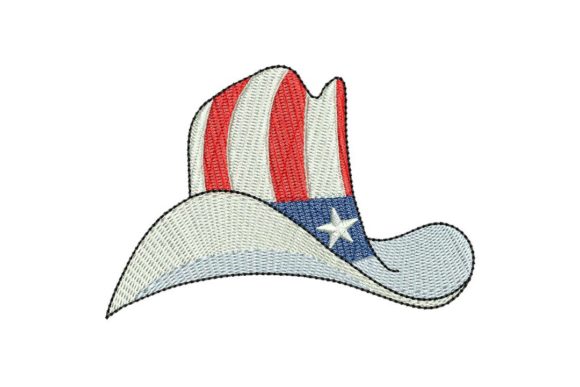
My first impression of 4th July Cowboy 04 is that it strikes a balance between rustic charm and festive spirit. The title suggests a Western aesthetic merged with patriotic themes, a combination that resonates deeply with American craftsmanship. In the context of small business merch, this visual personality is invaluable. It feels friendly yet bold, avoiding the overly cartoonish look that can sometimes cheapen a brand's perception. Instead, it offers a classic, decorative appeal that suggests quality and attention to detail. When stitched correctly, this type of imagery conveys a sense of heritage and authenticity, which are crucial elements for building customer trust.
Real-World Applications for Commercial Embroidery
The true test of any embroidery file is its versatility across different products. 4th July Cowboy 04 is listed with a hoop size of 4x4, which is a standard dimension that opens up a wide array of applications for custom apparel and accessories. For a local bakery or florist looking to create seasonal staff uniforms, this design works exceptionally well as a chest logo accent on work shirts. It is large enough to be recognizable from a distance but compact enough to remain professional.
Consider the potential for an embroidered patch. Many modern brands are moving away from direct stitching on garments in favor of removable patches, which allow for greater flexibility in inventory management. 4th July Cowboy 04 could be produced as a merit-style patch for a pet brand or a creative studio, adding a collectible element to their handmade product lines. Furthermore, for businesses selling tote bags, this design serves as an excellent tote bag design element. Placed centrally on a canvas bag, it transforms a simple utility item into a statement piece perfect for summer festivals or community events.
I also see strong potential for cap embroidery. The 4x4 hoop limitation means we must be strategic, but the cowboy theme is inherently suited for headwear. Whether placed on the front panel of a baseball cap or as a side detail on a bucket hat, this design can drive engagement during holiday promotions. For Etsy sellers and crafters, using this motif on aprons creates a cohesive look for apron embroidery projects, tying together the maker's personal brand with the festive season.
Navigating Technical Challenges and Fabric Textures
While the aesthetic appeal is clear, a professional review must address the technical execution. The product description notes that this is a high-quality embroidery suitable for various fabrics, but "high-quality" is subjective without seeing the stitch map. When dealing with a thematic design like 4th July Cowboy 04, one must be cautious about stitch density. Patriotic designs often incorporate stars, stripes, and intricate outlines which can lead to high stitch counts in a small area.
If you are applying this to textured fabric, such as a heavy canvas tote or a pique polo, you need to ensure the underlay is sufficient. Poor underlay can cause the design to sink into the fabric, losing definition. Additionally, if you are using this for commercial embroidery on dark uniforms, you must verify the thread color contrast. A design that relies on subtle shading might get lost on a navy or black background unless the digitizer has accounted for it with proper outlining or brighter thread choices.
Another critical factor is the hoop size constraint. With a 4x4 limit, there is little room for error in placement, especially on curved surfaces like cap fronts. Small details within the cowboy motif could become distorted if the stabilizer is not chosen correctly. For items that require frequent washing, such as staff aprons or daily-wear tees, the integrity of the small details in 4th July Cowboy 04 must be tested. Tiny lettering or fine lines, if present, should be inspected closely to ensure they do not fray after multiple wash cycles.
Impact on Brand Identity and Customer Perception
In the competitive landscape of small business, every visual touchpoint matters. Using a well-executed design like 4th July Cowboy 04 can significantly enhance brand identity. It signals to the customer that the business values tradition and quality. When a customer receives a branded item featuring this design, it reinforces the perception of a premium, thoughtful finished product.
Consistency is key. If your brand already utilizes Western or Americana elements, this design fits seamlessly into your visual ecosystem. However, even for brands without a specific theme, using this for limited-edition holiday merchandise can create a sense of exclusivity and urgency. It acts as a conversation starter, increasing buyer engagement both in-store and on social media when customers share photos of their new gear. The "handmade" feel of embroidery adds a layer of value that printed graphics simply cannot match, justifying a higher price point for your merchandise.
Essential Designer Notes for Production
Before committing to a full production run of 4th July Cowboy 04, I strongly advise following a rigorous testing protocol. First, test the design in black and white or grayscale. This helps you evaluate the contrast and structure of the stitches without the distraction of color. Does the design hold its shape? Are the distinct elements of the cowboy and holiday themes clear?
- Check Scalability: Verify if the design remains legible at the smallest intended patch size. Details that look great at 4 inches may vanish at 2 inches.
- Review Thread Colors: Ensure the suggested thread chart matches your brand's palette or the specific fabric you are using.
- Inspect Spacing: Look for areas where stitches might overlap excessively, causing bulk, or gaps that might reveal the fabric underneath.
- Confirm Hoop Size: Double-check that your machine's 4x4 capability aligns perfectly with the file requirements to avoid framing issues.
- Test on Real Fabric: Never rely solely on a simulation. Stitch a sample on the actual material you plan to use, whether it is denim, twill, or cotton.
- Use Proper Stabilizer: Select a stabilizer that complements the fabric weight to prevent puckering, especially important for the structured look of this design.
- Create a Printable Mockup: Before stitching, generate a printable mockup to show clients or stakeholders for approval, ensuring everyone agrees on the placement and scale.
- Compare Design Assets: Place this design beside your existing logos and graphics to ensure visual consistency across your marketing materials.
- Verify Licensing: Most importantly, confirm the commercial licensing terms. Ensure you have the right to use this digital embroidery file for goods you intend to sell.
The product description mentions the hoop size is 4x4, but it does not specify the exact stitch count or file formats available. These are critical details for production planning. High stitch counts can increase production time and thread breakage risks, so requesting this information from the vendor is a necessary step. Similarly, knowing if the file is available in formats compatible with your specific machines (such as .PES, .DST, or .EXP) is essential before purchase.
In conclusion, 4th July Cowboy 04 presents a compelling opportunity for small businesses to capitalize on the Independence Day season with a touch of Western flair. Its potential as a versatile asset for patches, uniforms, and promotional items is significant. However, its success relies entirely on careful technical preparation and an understanding of how it interacts with your specific materials. By treating this file not just as a decoration but as a strategic component of your design assets, you can create merchandise that truly resonates with your audience and stands the test of time.