Lute Embroidery Design Review for Small Business Merch
As an embroidery designer who has spent years digitizing and testing files for commercial use, I approach every new machine embroidery design with a critical eye. It is not just about whether the image looks pretty on a screen; it is about how that image translates into thread on real fabric. Today, I am reviewing the Lute design, a piece rooted in the Music category, to determine its viability for small business merchandise, branded patches, and custom apparel.
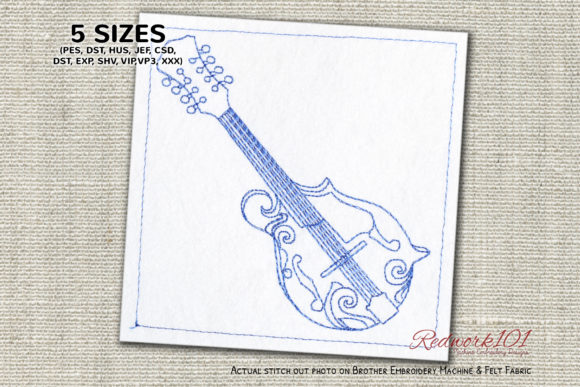
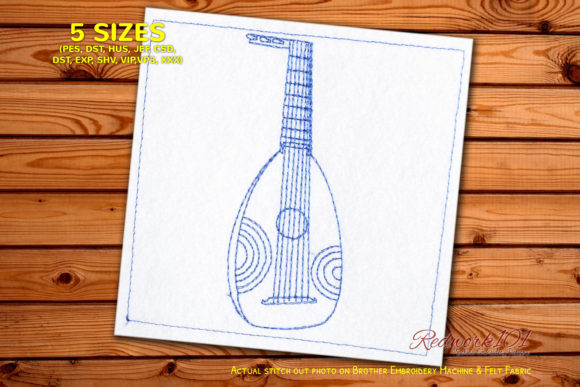
The Lute is described as a plucked stringed instrument with a long neck bearing frets and a rounded body with a flat front. Visually, this suggests a design rich in curves and linear details. My first impression of the Lute is that it carries a classic, elegant, and slightly rustic personality. Unlike modern, abstract logos, this design evokes a sense of tradition and craftsmanship. For a boutique, a creative studio, or a handmade brand, this aesthetic can significantly elevate brand identity. It signals to the customer that the business values heritage and artistry, which is crucial for building trust and recognition in a crowded marketplace.
Evaluating Visual Personality and Brand Fit
When considering where to deploy the Lute, one must look at the specific vibe it projects. The combination of the rounded body and the long, fretted neck creates a balanced silhouette that feels both decorative and professional. For a café or bakery looking to add a touch of sophistication to their staff uniforms, this design works beautifully. It is not overly aggressive or bold; rather, it is friendly and inviting.
For Etsy sellers and crafters, the Lute offers a unique opportunity to create niche small business merch. Music-themed items are perennially popular, but finding a design that avoids the cliché of a generic guitar can be challenging. The specificity of the lute appeals to classical musicians, history enthusiasts, and lovers of folk traditions. When used on a tote bag or a cap, it acts as a conversation starter, enhancing buyer engagement through its distinct visual character.
Real-World Application in Commercial Embroidery
In a real-world scenario, let us imagine a local music school or a vintage instrument shop wanting to upgrade their custom apparel. The Lute design could serve as a chest logo accent on polo shirts or a sleeve detail on denim jackets. Because the description mentions an optional Box Stitch, there is flexibility in how the design is framed. If the outer box is utilized, it creates a contained emblem perfect for an embroidered patch. Patches are incredibly versatile; they can be sewn onto backpacks, messenger bags, or even product packaging accents to add a tactile element to the unboxing experience.
For apron embroidery, particularly in a artisanal coffee shop or a florist with a musical theme, the Lute adds a layer of personality that standard text logos lack. The curved lines of the instrument's body contrast nicely with the straight seams of an apron, creating visual interest. However, the success of this application depends heavily on execution. The description notes that the color of the outer box is different, implying a multi-color design. This requires careful management of thread colors to ensure high contrast and readability from a distance.
Technical Considerations for Production
While the artistic merit of the Lute is clear, the technical aspects of Embroidery demand rigorous attention. The description highlights a long neck with frets and a rounded body. In the world of digitizing, fine lines like frets can be problematic if the stitch density is too high or if the design is scaled down too far.
Here are critical factors to consider before running this digital embroidery file on your machine:
- Size Limitations: Do not attempt to stitch the Lute at a tiny patch size without testing. The frets on the long neck may merge into a solid blob of thread if the resolution is insufficient. Always check if the design holds up at smaller dimensions.
- Fabric Texture: This design features detailed outlines. On textured fabrics like pique polos or heavy canvas tote bags, these details might get lost. Smooth fabrics like twill or broadcloth will yield the crispest finished product.
- Curved Surfaces: Applying this to cap embroidery requires caution. The long neck of the lute might distort if placed on the highly curved front panel of a baseball cap. It is often better suited for the side panels or a flat patch attached to the cap.
- Stabilizer Selection: Given the potential for dense stitching in the rounded body, using the proper stabilizer is non-negotiable. A cut-away stabilizer is usually recommended for garments that will undergo frequent washing to prevent puckering.
Designer Notes for Quality Assurance
Before committing to a large production run for client orders, I always follow a strict testing protocol. First, test the Lute in black and white. This strips away the distraction of color and reveals whether the shape and internal details are distinct. If the frets disappear in monochrome, the design needs adjustment or should not be used at that size.
Second, confirm the hoop size required. While the exact dimensions are not provided in the product description, you must verify that your machine can accommodate the full span of the instrument, especially if including the optional box. Third, create a printable mockup for client approval. Seeing the design superimposed on a photo of the actual garment helps manage expectations regarding scale and placement.
It is also vital to compare the Lute beside other design assets in your brand kit. Does the style of the lute match your existing logo? Visual consistency is key to professionalism. Finally, and perhaps most importantly, confirm commercial licensing terms. The description does not explicitly state the license type, so you must verify with the seller that the digital embroidery file is cleared for commercial use before selling items featuring this design.
Enhancing Customer Trust and Product Value
Ultimately, the goal of using a design like the Lute is to enhance the perceived value of your products. A well-executed embroidered patch or logo tells the customer that you care about quality. It transforms a simple t-shirt or tote bag into a piece of handmade product artistry. When customers see precise stitching and a thoughtful design choice, their trust in your brand deepens.
For event merch, such as a music festival or a local concert, the Lute serves as a memorable souvenir. Its classic look ensures it won't feel dated quickly, extending the lifespan of the merchandise and keeping your brand visible for longer. Whether used for staff uniforms to unify a team or as a retail item to generate revenue, this design has the potential to be a strong asset in your portfolio.
In conclusion, the Lute is a promising design for businesses seeking to blend musical heritage with modern branding. However, its success relies on respecting the technical limitations of embroidery. By testing on real fabric, managing stitch density, and ensuring proper scaling, you can turn this digital file into a tangible symbol of your brand's quality and creativity. Always remember to check the specific file details regarding the optional box and color variations to ensure the final output matches your vision perfectly.