Sitar Stringed Instrument: A Designer's Craft Fair Review
As I set up my booth for the upcoming weekend craft fair, I am constantly evaluating which machine embroidery design will stop a customer in their tracks. Today, I am reviewing the Sitar Stringed Instrument digitization to see if it earns a prime spot on my display table. This isn't just about aesthetics; it is about practicality, production speed, and whether this specific motif translates well into a handmade product that people actually want to buy. The sitar is a plucked stringed instrument, a large, long-necked Indian lute with movable frets, played with a wire pick. Visually, this description promises elegance, cultural depth, and intricate line work, but how does that translate to thread?
First Impressions and Visual Mood
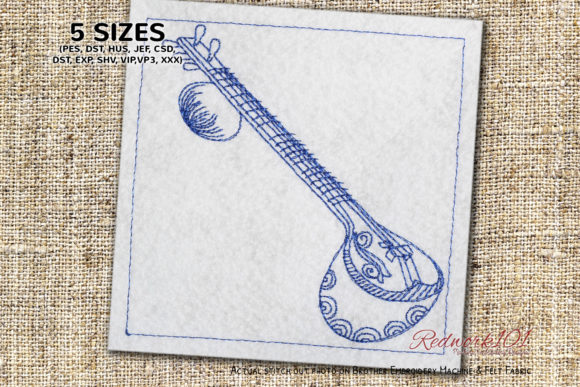
The first thing I notice about the Sitar Stringed Instrument design is its inherent sophistication. Unlike some of the cute or farmhouse-style motifs I often stock, this design feels premium and decorative. It carries a sense of world music and artistic flair that appeals to a specific demographic: the music lover, the yoga enthusiast, or the traveler who appreciates global culture. The description notes that the "Box Stitch shown in the picture is optional," which immediately tells me this design offers versatility. Without the box, it feels more organic and free-flowing, perfect for a tote bag design where you want the art to breathe. With the box, it becomes a structured emblem, ideal for a patch or a pocket accent.
The color of the outer border (which seems to be cut off in the provided details, but implies customization) suggests that thread choice will be critical. For a craft fair environment, high contrast is king. If I stitch this in gold or bronze threads against a deep navy or charcoal fabric, the metallic sheen of the "wire pick" and frets could catch the overhead tent lights beautifully, drawing eyes from across the aisle.
Product Application and Sales Potential
When planning my inventory, I have to ask: where does the Sitar Stringed Instrument perform best? Here is my breakdown for potential craft fair products:
- Tote Bags and Market Totes: This is likely the strongest seller. A large, centered sitar on a canvas tote creates an instant statement piece. It works as a focal design rather than a small accent, giving the buyer a clear visual hook.
- Apron Embroidery: For the culinary artist who loves music, this design adds a unique twist to kitchen wear. Placing it on the bib or the lower skirt of an apron elevates the item from a utility tool to a conversation starter.
- Tea Towel Embroidery: While popular, tea towels can be tricky with detailed instruments. The long neck of the sitar requires vertical space. If the hoop size is too small, the proportions might look squashed. This is better suited for a hand towel or a larger kitchen throw.
- Embroidered Patches: If the optional box stitch is utilized, this becomes an excellent candidate for iron-on or sew-on patches. Music festivals are huge markets, and a sitar patch fits right in with the bohemian vibe.
- Caps and Hats: Caution is needed here. The curved surface of a cap can distort long, linear designs. The movable frets of the sitar might look wavy if not digitized specifically for caps. I would test this carefully before committing to a batch.
- Pillow Covers: A luxurious velvet pillow with this design would sell well in a boutique setting, appealing to interior designers looking for global accents.
Production Realities and Technical Considerations
From a production standpoint, the Sitar Stringed Instrument requires a keen eye for detail. The description mentions "movable frets" and a "wire pick." In embroidery terms, these are fine lines. When reviewing the embroidery file, I need to check the stitch density. If the density is too low, the fabric might show through the long neck of the instrument, making it look sparse. If it is too high, the thread might bunch up, losing the definition of the individual strings.
For an Etsy seller or anyone creating printable mockups, the clarity of the design at smaller sizes is vital. Does the sitar lose its identity when shrunk down for a social media thumbnail? I suspect the distinct shape of the gourd and the long neck will remain recognizable, which is a huge plus for online listings where customers scroll quickly.
However, there are careful-use notes to consider. Tiny details like the tuning pegs or the specific texture of the wire pick might get lost on textured fabrics like waffle-weave towels or thick denim. For these materials, I recommend simplifying the design or increasing the stitch length slightly to prevent bird nesting. Additionally, if you are stitching on dark fabric, ensure your underlay stitches are sufficient to prevent the background color from poking through the lighter thread colors of the sitar body.
Maximizing Value and Customer Engagement
The true value of the Sitar Stringed Instrument lies in its ability to tell a story. In a sea of generic floral or animal designs, this piece stands out as a small shop product with soul. It signals to the customer that the maker cares about culture and artistry. This perception increases the perceived value of the finished product, allowing for a higher price point compared to standard stock designs.
To maximize buyer engagement at the booth, I suggest grouping items featuring this design together. Create a "Music & Arts" corner with the tote bags, patches, and perhaps a framed sample of the embroidery. This creates a cohesive brand story. For commercial embroidery businesses, this design could be a fantastic add-on for local music schools or indie instrument shops looking for branded merchandise.
Designer's Checklist for Success
Before running this design on your final inventory, follow these practical steps to ensure quality:
- Test on Scrap Fabric: Always stitch a sample on the exact material you plan to sell. Check how the long neck of the sitar registers on that specific weave.
- Check Thread Contrast: Ensure the thread colors distinguish the body of the lute from the neck and strings. Monochromatic looks can be chic, but they risk hiding the details of the frets.
- Review Spacing: Verify that the spacing between the strings is wide enough to be cleaned up easily after stitching.
- Confirm Hoop Size: Ensure your hoop can accommodate the full length of the instrument without needing to re-hoop, which can cause alignment issues.
- Inspect Stitch Density: Look for pull compensation on the long columns of stitching to prevent the fabric from puckering.
- Use the Right Stabilizer: Given the likely length of the design, a cut-away stabilizer might be necessary for stretchy fabrics to maintain shape over time.
- Create a Real Mockup: Don't rely solely on digital previews. A physical sample proves the design's worth to customers touching the goods.
- Compare Fabric Colors: Test the design on both light and dark backgrounds to see which offers the best pop for your specific booth lighting.
- Confirm Licensing: Since the description mentions optional elements and specific visual traits, always confirm commercial licensing terms with the designer before selling finished goods. The provided text does not specify exact stitch counts or file formats, so verify those technical details in the actual download package.
In conclusion, the Sitar Stringed Instrument is a strong contender for any handmade market vendor looking to diversify beyond the usual suspects. It bridges the gap between Music and Embroidery art, offering a sophisticated aesthetic that commands attention. With careful attention to fabric choice, stabilizer selection, and thread contrast, this design can become a signature piece in your collection, driving sales and enhancing your brand's reputation for quality and creativity.