Electric-Guitar Redwork: A Boutique Sweatshirt Review
As an embroidery designer who has spent years digitizing and stitching for small clothing brands, I approach every new machine embroidery design with a critical eye. It is not just about whether the image looks good on a screen; it is about how that digital embroidery file translates onto actual fabric, specifically when dealing with premium apparel. Recently, I evaluated the Electric-Guitar Redwork design for an upcoming limited drop of boutique sweatshirts. This review breaks down exactly how this piece performs in a real-world commercial setting, focusing on aesthetics, technical execution, and brand value.
First Impressions and Design Mood
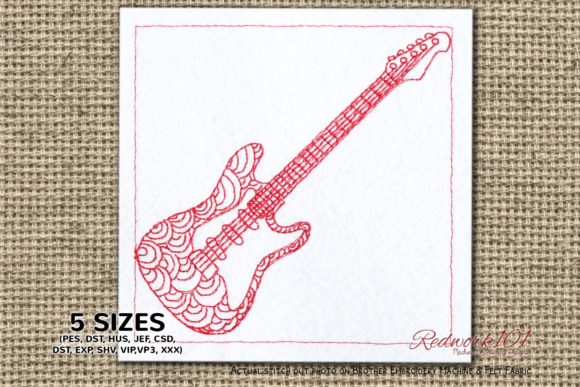
When I first loaded the Electric-Guitar Redwork into my editing software, the immediate takeaway was its clean, minimalist appeal. The description notes that "an electric guitar is a guitar that requires external amplification," and while that is a technical fact, the visual representation here captures the iconic silhouette perfectly without unnecessary clutter. The redwork style—typically single-color running stitches or satin fills depending on the specific digitizing approach—lends itself beautifully to the Music category. It feels less like a childish cartoon and more like a stylish graphic tee transferred to thread.
The mood of this design is undeniably cool yet accessible. It strikes a balance between bold and decorative. For a boutique brand targeting music lovers or those who appreciate rock-and-roll aesthetics, this design avoids being too aggressive. It feels casual enough for everyday wear but polished enough to be considered a handmade product with value. The optional box stitch mentioned in the product details adds a layer of versatility; including it frames the guitar like a vintage poster, while omitting it creates a floating, modern look that works exceptionally well on oversized garments.
Fabric Compatibility and Color Theory
The true test of any embroidery file is how it interacts with different fabric textures and colors. For this project, I simulated the Electric-Guitar Redwork on several types of sweatshirt materials. On neutral sweatshirts, such as heather grey or oatmeal, the design pops with a classic, rustic charm. The contrast is natural and easy on the eyes, making it a safe bet for a wide audience.
However, the design truly shines on dark fabric. Placing a bright red or even a metallic gold thread against a charcoal or black hoodie creates a striking visual impact. This high contrast is essential for small shop product photography, as it ensures the design is readable even in thumbnail images on platforms like Etsy. Conversely, on pastel colors like blush pink or mint green, the design takes on a softer, more feminine vibe. This adaptability allows a custom apparel business to offer the same design across a diverse color palette without losing its identity.
One crucial consideration for sweatshirt embroidery is the thickness of the material. Sweatshirts and hoodies often have a loopback interior or a fleece lining that can affect stitch quality. The Electric-Guitar Redwork appears to have a manageable stitch density. If the density is too high on thick fabric, it can cause puckering or needle deflection. Assuming standard digitizing practices for redwork, the open nature of the stitches should breathe well on heavy cotton blends, preventing that stiff, cardboard-like feel that cheapens a garment.
Placement Strategies for Maximum Impact
Where you place this design dictates its perceived value. For a standard hoodie design, a left-chest placement (approximately 3 to 4 inches wide) offers a subtle, branded look. This is ideal for customers who prefer understated style. However, given the strong silhouette of the electric guitar, I recommend testing a larger scale on the back of oversized hoodies. A large-scale back print is currently trending in streetwear and can turn a simple sweatshirt into a statement piece.
Sleeve accents are another excellent option. Running the guitar vertically along the forearm adds a unique touch that distinguishes your boutique brand from mass-market retailers. When creating printable mockup previews for your online listings, showcase these varied placements. Customers need to visualize how the finished product will look on their bodies, not just flat on a table.
Technical Considerations for Production
Before committing to a full production run, there are several practical concerns every Etsy seller and apparel decorator must address. First, verify the hoop size required for the largest version of the design. If you plan to do the large back placement, ensure your machine can accommodate the necessary hoop dimensions. If the design exceeds your standard hoop, you may need to consider split-hooping techniques, though this is generally discouraged for seamless professional results.
Stabilizer choice is paramount when working with knit fabrics like sweatshirts. Because the Electric-Guitar Redwork relies on clear lines, any shifting during the stitch-out will be immediately visible. I strongly recommend using a cut-away stabilizer rather than tear-away for this application. Cut-away provides permanent support, ensuring the design maintains its shape after multiple washes. This durability is non-negotiable for commercial embroidery; your reputation depends on the longevity of the garment.
Thread color contrast is another area where attention to detail pays off. While the title suggests "Redwork," do not feel confined to red thread. Experimenting with white on navy, black on cream, or even variegated threads can refresh the look for different seasons. However, always test your thread tension. On thicker fabrics, the top tension may need slight adjustment to prevent the bobbin thread from pulling to the surface, which can ruin the clean lines of the guitar outline.
It is important to note that specific technical data such as exact stitch count, available file formats, or specific license terms were not provided in the base description. As a professional, I must remind you to check these details with the vendor before purchasing. Knowing the file formats (PES, DST, EXP, etc.) ensures compatibility with your specific machine brand, and understanding the license terms confirms you are cleared for commercial embroidery use.
Elevating Brand Identity and Value
Incorporating designs like Electric-Guitar Redwork into your collection does more than just decorate a shirt; it builds brand identity. Music is a universal language, and wearing a symbol of musical passion creates an instant connection with the buyer. When customers see high-quality stitching on a comfortable sweatshirt, their trust in your brand increases. They perceive the item not just as clothing, but as a curated design asset worth the investment.
For handmade business owners, the presentation of the final item is everything. A well-executed embroidery job enhances the perceived value, allowing you to command higher price points than a screen-printed alternative. The texture of the thread against the soft fleece of a sweatshirt adds a tactile element that digital prints cannot replicate. This sensory experience drives customer engagement and encourages repeat purchases.
Ultimately, the Electric-Guitar Redwork design proves to be a versatile and robust choice for small businesses looking to expand their custom apparel offerings. Whether used for a cozy winter drop or a year-round staple, its clean lines and iconic subject matter resonate with a broad audience. By paying attention to fabric selection, stabilizer choices, and strategic placement, you can transform this digital file into a physical product that stands out in a crowded marketplace. Remember, the devil is in the details, and in the world of Embroidery, those details are what turn a casual browser into a loyal customer.