Round Tatting Lace Doily: A Pro Review for Brand Merch
As an embroidery designer who spends most of my days digitizing logos and prepping files for commercial production, I approach every new machine embroidery design with a critical eye. It is not just about whether a pattern looks pretty on a screen; it is about how that digital embroidery file translates into a tangible asset for a small business. Today, I am reviewing the Round Tatting Lace Doily, a design that initially caught my attention for its classic aesthetic. While the product description highlights it as a high-quality option ready for your next sewing project, my job is to determine if it holds up under the rigorous demands of branded merchandise, from staff uniforms to boutique packaging.
First Impressions: Elegance Meets Handmade Charm
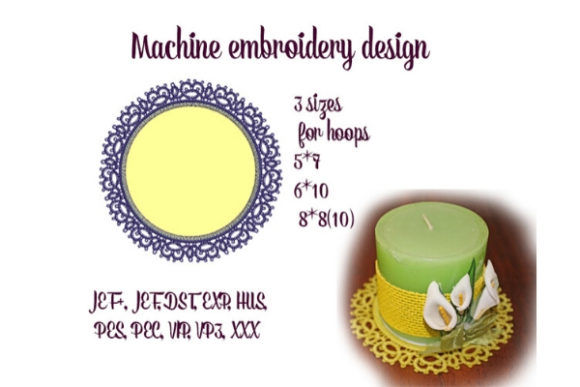
Upon loading the embroidery file into my simulation software, the immediate visual personality of the Round Tatting Lace Doily is one of refined elegance. Unlike bold, blocky logos often used for corporate workwear, this design exudes a "handmade" quality that feels rustic yet premium. The tatting style suggests a connection to traditional craftsmanship, which is a powerful narrative for certain brands. For a bakery, a florist, or a boutique selling handmade goods, this design does not just decorate a product; it reinforces a brand identity rooted in care and detail. It feels friendly and approachable, avoiding the sterile look of modern minimalism in favor of something warmer and more inviting.
However, for a professional reviewer, beauty is secondary to functionality. The intricate loops and open spaces typical of tatting designs can be tricky. My first concern is always how these fine lines will behave on different materials. Will the threads hold their shape, or will they collapse into a messy cluster? The potential here is high for creating a sense of luxury, but it requires careful execution to ensure the finished product looks intentional rather than fragile.
Real-World Applications for Small Business Merch
Let us imagine a real-world scenario. A local coffee shop wants to upgrade their staff attire. They are tired of generic printed aprons and want something that signals quality to their customers. The Round Tatting Lace Doily could serve as a stunning accent on a linen apron embroidery project. Placed subtly on the chest or near the pocket, it acts as a seal of quality, suggesting that the coffee served is as crafted as the uniform itself. Similarly, for a pet brand selling high-end bandanas or beds, this design could be embroidered directly onto the fabric or created as a standalone embroidered patch to be sewn on later.
The versatility of this design extends to small business merch beyond apparel. Consider a florist offering a limited edition tote bag. Using this design as a central tote bag design element creates an instant association with delicate, natural beauty. It works exceptionally well for customer gifts or event merch where the goal is to create an emotional connection. Because the design is round, it fits perfectly on curved surfaces like the front panel of a cap, provided the curvature is not too extreme. For Etsy sellers looking to elevate their packaging, a small version of this motif could be stitched onto a fabric tag attached to a product, adding a layer of perceived value that a paper label simply cannot match.
Where Caution is Required: Technical Considerations
While the aesthetic appeal is undeniable, there are specific scenarios where the Round Tatting Lace Doily requires a cautious approach. The primary challenge lies in stitch density and scale. Tatting designs often rely on fine threads and open spaces. If you attempt to shrink this design too small for a tiny patch or a sleeve detail, the stitches may become too dense, leading to thread breaks or a stiff, cardboard-like feel on the fabric. Conversely, if the gaps between stitches are too wide for the chosen material, the fabric might peek through in an unattractive way.
Curved surfaces present another hurdle. While a cap front is a common spot for logos, the structural integrity of a lace-style design can suffer on highly curved panels unless the digitizing accounts for pull compensation. Furthermore, textured fabrics like heavy canvas or rough denim can interfere with the clean lines of the tatting pattern. Dark uniforms also pose a risk; if the design relies on light thread colors against a black background, you must ensure there is sufficient underlay to prevent the dark fabric from showing through the open lacework, which can ruin the crispness of the design.
Impact on Brand Identity and Customer Trust
In the crowded marketplace of custom apparel and handmade goods, consistency is key to building trust. The Round Tatting Lace Doily offers a unique opportunity to establish visual consistency across various touchpoints. When a customer sees the same intricate lace motif on a shop's signage, their receipt bag, and the employee's shirt, it creates a cohesive brand experience. This level of detail signals professionalism. It tells the customer that the business owner cares enough to invest in high-quality design assets rather than settling for generic clipart.
For brands positioning themselves as "premium" or "artisanal," this design is a strategic tool. It elevates the perceived value of the handmade product it adorns. A simple tote bag becomes a collector's item; a standard work shirt becomes a uniform of distinction. This visual language engages buyers on an emotional level, fostering loyalty and encouraging social media sharing, which is invaluable for organic growth.
Practical Notes for the Professional Embroiderer
Before committing to a large production run of commercial embroidery using this file, I recommend a strict testing protocol. First, stitch out the design in black and white. This removes the distraction of color and allows you to focus entirely on the structure, spacing, and registration of the stitches. Check specifically if the design maintains its integrity at the smallest size you intend to use.
You must also verify the technical specifications that were not explicitly detailed in the brief product description. Since the text mentions "multiple embroidery file formats" but does not list them, you need to confirm compatibility with your specific machine before purchasing. Likewise, the exact hoop size required is not stated; assuming it fits a standard 4x4 hoop could be a costly mistake if the design is larger. Always check these details to avoid production delays.
- Stabilizer Selection: Given the likely open nature of a tatting design, choose a stabilizer that provides enough support without being visible. A cut-away might be necessary for stretchy fabrics to prevent distortion over time.
- Thread Contrast: Experiment with thread weights. A slightly thicker thread might fill the lace pattern better than a standard 40-weight, depending on the scale.
- Mockups: Create a printable mockup or a digital composite to show your client exactly how the design will look on their specific garment color and fabric type before stitching the final piece.
- Licensing: Crucially, confirm the commercial licensing terms. Just because a file is available for download does not automatically grant rights for unlimited resale or mass production.
In conclusion, the Round Tatting Lace Doily is a potent tool for businesses looking to infuse their merchandise with a sense of tradition and quality. However, its success depends entirely on the skill of the operator and the appropriateness of the application. By respecting the limitations of the design and testing thoroughly, you can transform a simple Sewing asset into a cornerstone of your brand's visual identity.