Wallet in the Hoop: A Designer's Real-World Review
When I first pulled up the Wallet in the Hoop file on my digitizing software, I wasn't just looking at lines and fills; I was visualizing a finished product sitting on a boutique shelf. As someone who spends hours tweaking stitch paths and testing tension on various fabrics, my first impression is always about potential. Does this design have the structural integrity to hold up in a real-world scenario, or is it just another pretty graphic that falls apart after one wash? This machine embroidery design immediately struck me as a versatile asset for anyone running a craft business or looking to elevate their personal sewing projects.
First Impressions and Visual Personality
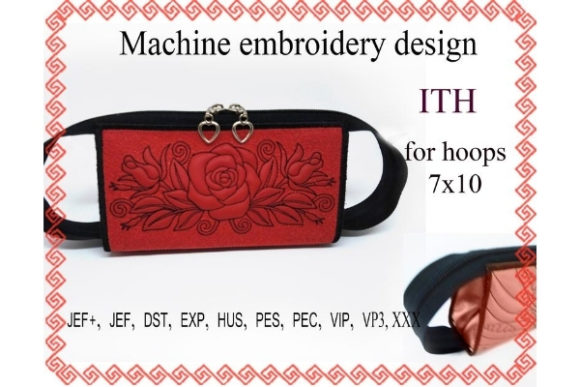
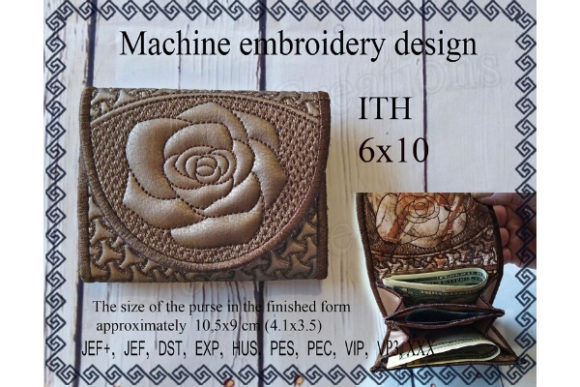
The layout of Wallet in the Hoop suggests a clean, modern aesthetic that avoids unnecessary clutter. In the world of Sewing and Embroidery, less is often more, especially when you are working with functional items. The design feels balanced, with a visual weight that implies durability without being overly dense. When I imagine this stitched out, it creates a mood of organized elegance. It is not loud or flashy; instead, it speaks to quality craftsmanship. For an Etsy seller or a handmade shop owner, this kind of understated professionalism is gold. It tells the customer that the handmade product they are buying was made with care and attention to detail.
The interplay of what appears to be satin stitch borders and potential fill stitch areas gives the design texture. If this includes applique design elements, as many wallet-style projects do, the layering adds a tactile dimension that customers love to touch. However, the true test of any digital embroidery file is how it translates from the screen to the needle. The clarity of the lines in the preview suggests that the digitizer understood how thread behaves, anticipating pull and compensation so the final result remains crisp.
Real-World Application: The Boutique Scenario
Let's move from theory to practice. Imagine I am preparing a custom order for a local boutique that specializes in eco-friendly accessories. They want a line of zippered pouches and cardholders made from heavy canvas. This is where Wallet in the Hoop shines. Because the design is self-contained, it works perfectly as a focal point on a tote bag design or as the primary feature on a standalone wallet.
I can picture stitching this onto a structured fabric where the stitch density won't cause puckering. The result would be a small shop product that looks high-end. If I were creating a personalized gift for a wedding party, perhaps monogramming initials within the design framework, this file offers enough negative space to accommodate customization without losing its identity. For commercial embroidery projects, consistency is key. If I am producing fifty units, I need a design that registers perfectly every time. The geometry of Wallet in the Hoop suggests it would align well, reducing waste and frustration during production runs.
Beyond bags, consider sweatshirt embroidery. Placing this design on the cuff of a sleeve or near the hem of a hoodie could create a subtle branding moment for a clothing line. It transforms a basic garment into a custom apparel piece with perceived higher value. Even for baby embroidery, if scaled down appropriately and stitched with softer threads, it could adorn a diaper clutch or a keepsake box, serving as a cherished holiday gift or nursery accent.
Navigating Fabric Challenges and Technical Constraints
However, no design is universal, and a responsible reviewer must highlight where caution is needed. Wallet in the Hoop likely contains detailed corners and potentially tight turns. On textured fabrics like terrycloth or thick fleece, these fine details might get lost. If you are planning to use this on a curved surface like a cap, you must be wary of distortion. Caps require specific digitizing techniques to account for the curve, and unless this file was specifically optimized for headwear, it might look warped.
Similarly, thin or stretchy fabrics present a risk. Without the right stabilizer, the tension from the stitches could cause the fabric to gather, ruining the silhouette of the wallet shape. Dark fabrics also require consideration regarding thread colors. While the design might look stunning in pastels on white linen, you need to ensure there is enough contrast if you are stitching navy thread on black denim. Always test your embroidery project on scrap fabric first. This is non-negotiable for professional results.
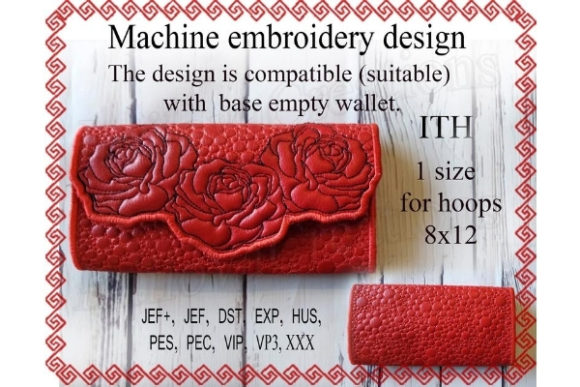
Pay close attention to the hoop size requirements. Since the product description mentions it comes in multiple formats, verify that your machine can accommodate the largest version if you intend to make full-sized wallets. Trying to force a large design into a small hoop by resizing it can compromise the running stitch underlays and lead to thread breaks or poor coverage.
Enhancing Brand Value and Customer Trust
Ultimately, the choice of design assets directly impacts your brand consistency. Using a high-quality file like Wallet in the Hoop signals to your buyers that you value quality. In the competitive landscape of online marketplaces, the difference between a amateur-looking stitch and a professional finished product often comes down to the source file. A clean, well-digitized design enhances the printable mockup images you use for marketing, making your listings more clickable and engaging.
When a customer receives an item with crisp edges and uniform stitching, their trust in your brand grows. They are more likely to return or recommend your shop. Whether you are selling design assets to other makers or selling the physical embroidered patch or item itself, the visual appeal drives sales. This design has the potential to be a staple in your library, adaptable for kitchen towel embellishments, pillow covers, or even tech accessories like laptop sleeves.
Final Designer Notes for Success
Before you commit to a full production run or list this as a new item in your store, take these practical steps:
- Check Licensing: Confirm the terms of use. Can you sell the finished physical items? Are you allowed to resell the embroidery file itself? Never assume; always read the license included with the download.
- Verify File Formats: The description states it comes with multiple formats. Ensure your specific machine brand (Brother, Janome, Husqvarna, etc.) is supported to avoid conversion errors.
- Test Stitch Density: Run a test on a similar weight fabric to your final material. Check if the back of the embroidery is clean and if the front has good coverage without excessive buildup.
- Contrast Check: View your design in black and white on your computer screen. If the details disappear in grayscale, they might get lost in low-light conditions or from a distance.
- Stabilizer Selection: Match your stabilizer to the fabric. Cut-away is usually best for garments that will be washed frequently, while tear-away might suffice for home decor items like tea towels.
In conclusion, Wallet in the Hoop represents a solid investment for designers who prioritize functionality and style. It bridges the gap between creative expression and commercial viability. By understanding its strengths and respecting its limitations regarding fabric and machinery, you can turn this digital file into a tangible asset that drives your creative entrepreneur journey forward. Happy stitching!