Reviewing Harpsichord Bluework for Elegant Gifts
As an embroidery designer who spends more time with a hoop in hand than away from it, I am always on the lookout for designs that bridge the gap between technical precision and emotional resonance. When I first loaded the Harpsichord Bluework machine embroidery design onto my screen, I knew I had found something special for my personalized gift shop. This isn't just a graphic; it is a piece of history rendered in thread, perfect for customers seeking depth and sophistication in their handmade product offerings.
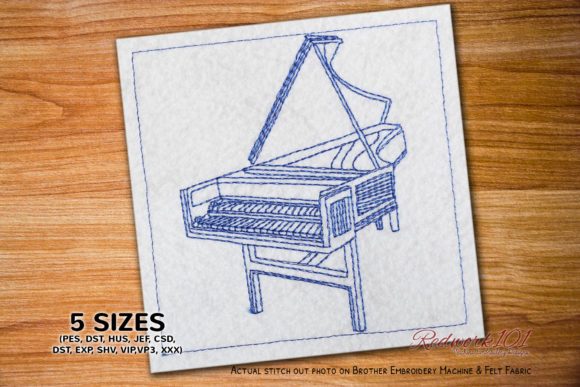
The initial impression of Harpsichord Bluework is one of quiet elegance. Unlike some of the flashy, high-density satin stitch designs that dominate the market, this piece relies on the charm of bluework tradition. The mood is classical yet fresh, evoking the sound of a harpsichord—a stringed keyboard instrument known for its delicate, plucked tones. That musical heritage translates beautifully into visual form. It feels sweet but serious, playful in its intricate lines yet deeply romantic in its execution. For a small business owner or Etsy seller, this kind of versatility is gold. It appeals to music lovers, history buffs, and anyone who appreciates the timeless aesthetic of traditional needlework.
Perfect Applications for Personalized Gifting
In my shop, we constantly ask: "Who is buying this, and where will it live?" The Harpsichord Bluework embroidery file answers that question with a wide range of possibilities. Because the design carries such a specific cultural weight, it is ideal for wedding gift packages, particularly for couples who are musicians or have a shared love for the arts. Imagine this stitched onto a linen table runner for a reception or framed as part of a nursery gallery wall.
For baby embroidery projects, this design offers a unique alternative to the usual teddy bears and alphabet blocks. A blanket embroidery featuring the harpsichord creates a heirloom-quality item that parents will treasure as their child grows. It also works exceptionally well on home goods. I can easily envision this as a focal point on an embroidered towel for a guest bathroom or centered on a heavy canvas tote bag for a music student. The potential for a custom embroidery order here is vast; adding a monogram or a significant date beneath the instrument transforms a standard digital embroidery file into a deeply personal keepsake.
When planning your small shop product line, consider how this design elevates perceived value. A simple pillow cover becomes a statement piece when adorned with such a detailed motif. It signals to the buyer that thought and skill went into the creation, fostering immediate customer trust and emotional connection.
Technical Considerations for Flawless Execution
While the artistic merit of Harpsichord Bluework is undeniable, practical application requires careful planning. As a professional, I never skip the testing phase. Before committing to a customer order, I strongly advise you to test on scrap fabric that matches the weight and weave of your final material. This design features fine lines typical of bluework, which means stitch density management is crucial. If the density is too high on a lightweight fabric, you risk puckering; if too low on a thick towel, the details may get lost.
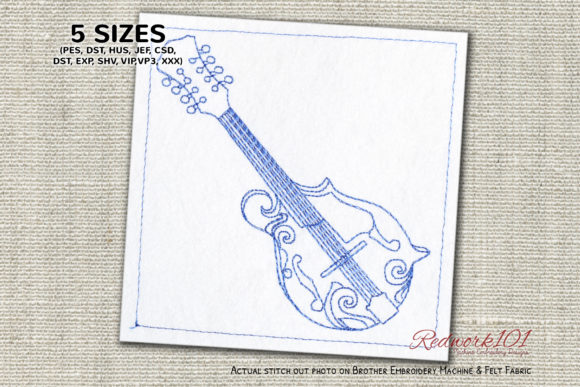
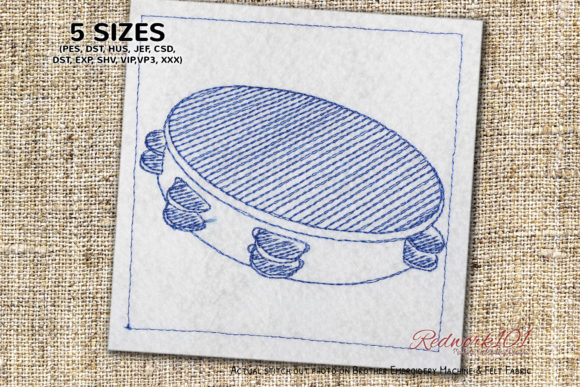
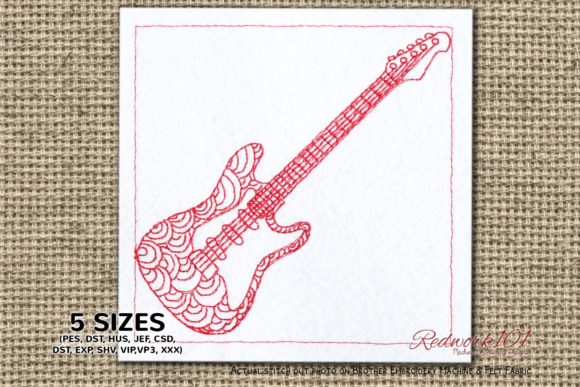
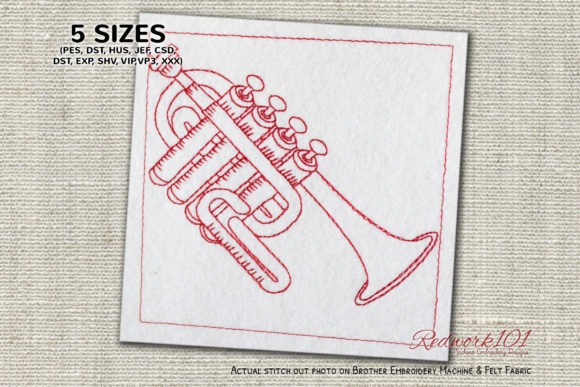
You must also pay close attention to thread colors. The description notes that the color of the outer box is often different unless it is part of the specific design variation. In most bluework traditions, a two-tone approach is used to create depth. Ensure you check thread color contrast carefully. A low-contrast thread choice might look subtle and chic on a screen but could render the intricate details invisible once stitched. Conversely, high contrast can make the design pop but might feel too harsh for a baby item.
Fabric choice is another critical variable. This design shines on stable, woven fabrics like linen, cotton duck, or high-thread-count shirting. Be cautious when applying it to textured fabric like waffle weave towels or stretchy baby clothes. On stretchy materials, the stability of the fine lines can be compromised without the right support. Always use proper stabilizer; for a project like this, a cut-away stabilizer is often safer than tear-away to prevent distortion over time, especially for items that need frequent washing.
Furthermore, consider the hoop size required. While I cannot invent exact specifications not provided in the file details, you must confirm hoop size compatibility with your machine before purchasing. If the design includes small lettering or extremely delicate details, verify that your machine can handle the resolution. It is also wise to compare light and dark fabric mockups. A design that looks stunning on white cream linen might disappear entirely on navy blue velvet unless the thread weight and type are adjusted.
Maximizing Sales and Customer Satisfaction
From a business perspective, Harpsichord Bluework is a tool for enhancing buyer engagement. When you list this as a personalized gift, your product photography should highlight the texture of the stitches. Close-up shots that show the interplay of the thread on the fabric texture will convince potential buyers of the handmade quality. Use a printable mockup to show customers how the design looks on various items like aprons or tote bags, helping them visualize the finished product in their own homes.
However, transparency is key to maintaining trust. Since the box stitch shown in reference pictures is optional and color variations exist, clearly communicate these options to your clients. Do not assume the file includes every variation you see in marketing images. If details regarding the commercial embroidery license are missing from the product listing, confirm commercial licensing before selling finished products. Selling items made from files without the correct license can lead to serious legal issues for your small business.
Finally, remember that the magic of Harpsichord Bluework lies in its story. When marketing this to your audience, talk about the instrument itself. Explain that the harpsichord is a precursor to the modern piano, adding a layer of educational value to the gift. This narrative turns a simple stitch pattern into a conversation starter. Whether you are creating a wedding keepsake, a nursery item, or a custom tote for a concert-goer, this design allows you to offer something truly unique.
In conclusion, integrating Harpsichord Bluework into your catalog is a strategic move for any crafters or digital product sellers looking to expand into the niche of musical and classical-themed gifts. By respecting the technical requirements of the embroidery file and leveraging its inherent elegance, you can create products that not only sell well but bring genuine joy to the recipients. Always check the specific file details for stitch counts and formats, test rigorously, and let the beauty of the music inspire your stitching.