Pink Bicycle Baby Bib Review for Small Hoops
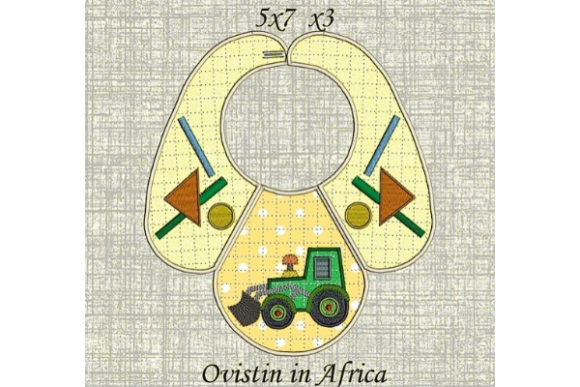
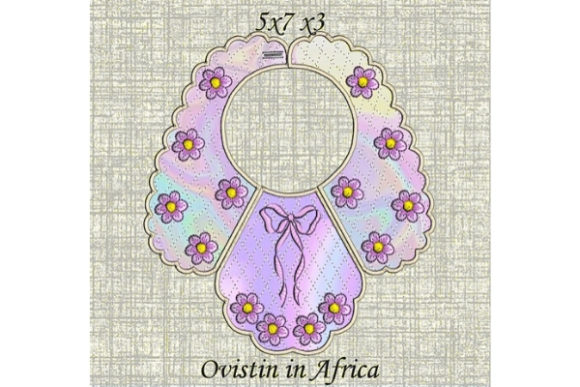
As an embroidery designer preparing for a busy weekend at the local craft fair, I spend hours curating which digital embroidery file will make the cut for my booth display. My table is usually packed with handmade products ranging from embroidered tote bags and aprons to tea towels and decorative patches. When I stumbled upon the Pink Bicycle Baby Bib for Small Hoops, I immediately started visualizing how this specific design could translate beyond its intended nursery use into a versatile asset for my small shop. While the product description states it fits babies from 4-12 months and includes tutorials for sewing, my focus as a vendor is on visual appeal, production speed, and customer engagement.
First Impressions and Aesthetic Appeal
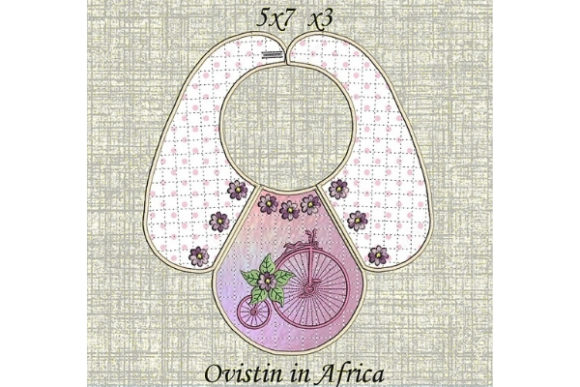
The first thing that strikes me about the Pink Bicycle Baby Bib for Small Hoops is its inherent charm. The combination of a bicycle motif with a soft pink palette suggests a design that is cute, whimsical, and perfectly suited for a modern rustic or farmhouse aesthetic. In a sea of generic baby items, this design feels like a small shop product with personality. It isn't overly bold or aggressive; instead, it offers a gentle, decorative touch that appeals to parents looking for something unique for their little ones. For a craft fair setting, this "soft" and "cute" vibe is crucial because it stops browsers in their tracks, inviting them to imagine the finished item in their own home.
Versatility Beyond the Bib
Although this machine embroidery design was digitized specifically for a baby bib and constructed in three parts to accommodate small hoop machines, its potential extends far beyond infant wear. As I plan my booth layout, I am considering how this graphic would look on other craft fair products. Imagine this pink bicycle stitched onto a natural linen tote bag design; it would create an adorable market bag for a mother carrying her own essentials. Similarly, applying this to a white kitchen towel creates a charming piece of tea towel embroidery that fits perfectly in a gift basket.
I can also see this working beautifully as an embroidered patch if stitched on felt or twill and then appliquéd onto a denim jacket or a canvas backpack. For those selling Etsy listings, creating printable mockups of this design on various items like pillow covers or fabric pouches could significantly broaden the target audience. The key here is that the design acts as a focal point without being overwhelming, making it adaptable for both large surfaces like aprons and smaller accents on caps or pouches.
Production Practicality for Small Hoops
One of the most significant advantages of the Pink Bicycle Baby Bib for Small Hoops is its compatibility with limited equipment. Many creative entrepreneurs and home-based business owners do not have access to large commercial frames. Knowing that this embroidery file is done in three parts allows us to maximize our machine's capabilities without needing expensive upgrades. This split-hoop method is excellent for batch production, a necessity when stocking up for a busy market season. However, it does require precision. When sewing the parts together, alignment is critical to ensure the bicycle looks cohesive and not fragmented.
For commercial embroidery purposes, the repeatability of this design is high. Once the setup is perfected on one bib, the process can be streamlined for dozens of units. This efficiency directly impacts profit margins, allowing sellers to price their finished product competitively while maintaining healthy returns. The inclusion of tutorials in the product description is a massive bonus, as it reduces the learning curve for those new to constructing multi-part embroidered garments.
Visual Impact and Customer Attention
In a crowded marketplace, visual hierarchy is everything. The Pink Bicycle Baby Bib for Small Hoops excels in grabbing attention due to its color contrast and subject matter. Pink stands out vividly against white, cream, or even light gray fabrics, which are common in nursery collections. When displayed on a mannequin or hung neatly on a rack, the design signals quality and thoughtfulness. It enhances brand consistency if your shop focuses on handmade, heartwarming items. Customers often associate detailed embroidery with higher value compared to screen-printed goods, and this design delivers that tactile, premium feel.
Photography is another area where this design shines. The clean lines and distinct shapes of the bicycle translate well in photos, making it ideal for online stores. Whether used in a printable mockup for digital sales or photographed as a physical sample, the design retains its clarity. This visual strength helps in creating compelling social media content, driving traffic to both physical booths and online shops.
Critical Considerations for Execution
Despite its many strengths, there are practical challenges to consider before committing to mass production. The description notes the design is for small hoops and split into parts, which implies seam allowances and joining techniques must be mastered. When working with thick fabric or textured towels, the stitch density becomes a critical factor. If the density is too high, the fabric may pucker, especially on curved surfaces like a cap or the rounded edges of a bib. Conversely, if the density is too low, the coverage might look sparse on dark fabrics.
Speaking of dark fabrics, thread contrast is essential. The pink threads specified in the design will pop on light backgrounds but may get lost on navy or black materials unless outlined or adjusted. Additionally, tiny details in the bicycle spokes or handlebars could lose clarity if the design is resized incorrectly. Since the original intent is for a baby bib, scaling it up for a large tote bag might require checking if the thread colors and stitch types hold up at a larger scale. Always test the design on scrap fabric first to verify spacing and tension.
Designer Notes for Success
To ensure the Pink Bicycle Baby Bib for Small Hoops performs flawlessly in your lineup, follow these professional guidelines. First, confirm the exact hoop size required for each of the three parts to avoid last-minute scrambling. Second, select the right stabilizer; for stretchy knits used in bibs, a cut-away stabilizer is often safer than tear-away to prevent distortion over time. Third, inspect the stitch density closely. If you notice excessive pulling, consider reducing the density slightly in your editing software.
It is also vital to compare fabric colors before cutting your main stock. A soft pink thread might look different under fluorescent booth lights compared to natural daylight. Create at least one real mockup to show customers the quality of construction, as the "sewn together" aspect needs to look seamless. Finally, and perhaps most importantly, review the licensing terms. While the description mentions tutorials, it does not explicitly state the rules for commercial embroidery sales. Ensure you have the right to sell finished products made with this design asset to avoid legal issues down the road.
In conclusion, the Pink Bicycle Baby Bib for Small Hoops is a standout choice for embroidery designers looking to expand their nursery collection or add variety to their craft fair inventory. Its adaptability, combined with the practical benefits of small hoop compatibility, makes it a smart investment for boutique makers and Etsy sellers alike. With careful attention to production details and a strategic approach to display, this design can become a bestseller in your handmade repertoire.