Cute Bunny with Carrot Applique: A Designer's Review
As an embroidery designer who spends countless hours testing machine embroidery design files for my personalized gift shop, I know that the difference between a good product and a best-seller often comes down to the charm of the digitization. Recently, I had the opportunity to test the Cute Bunny with Carrot Applique, and I wanted to share my practical insights with fellow Etsy sellers, crafters, and small business owners who are looking to expand their spring collections. This review is written from the perspective of someone preparing this design for real customer orders, focusing on how it performs as a finished handmade product.
First Impressions: Mood and Emotional Appeal
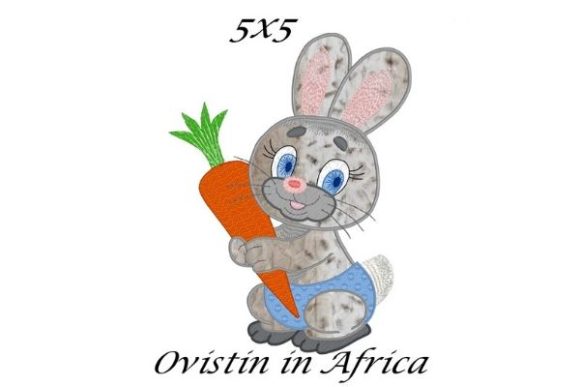
When I first loaded the digital embroidery file into my software to preview the Cute Bunny with Carrot Applique, the immediate feeling was one of pure sweetness. There is a specific kind of nostalgia embedded in farm animal motifs, but this design manages to feel modern and playful rather than dated. The inclusion of the carrot adds a pop of color and narrative that makes the bunny feel like a character rather than just an image. For a personalized gift, emotional connection is everything. This design exudes a warm, handmade quality that suggests care and attention to detail, which is exactly what customers look for when buying custom items for babies or home decor.
The applique technique itself adds a layer of texture that flat stitching simply cannot achieve. It gives the design a tactile dimension that invites touch, making it ideal for items where softness is paramount. Whether you are targeting new parents or homeowners looking for seasonal refreshments, the visual appeal here is strong. It strikes a balance between being cute enough for a child's room and elegant enough for a kitchen towel, provided the fabric choice supports that versatility.
Versatility Across Product Lines
One of the strongest assets of the Cute Bunny with Carrot Applique is its adaptability. In my shop, we constantly rotate designs across different product categories to maximize our inventory without needing hundreds of unique files. This design fits seamlessly into several key areas:
- Baby Embroidery: This is the most obvious application. The design is perfect for baby blankets, onesies, and bibs. The soft curves and friendly face make it a top contender for baby shower gifts.
- Nursery Decor: Beyond clothing, this works beautifully on pillow covers and wall hangings. A large version on a canvas tote or a framed hoop art piece can serve as a focal point in a nursery themed around nature or farm animals.
- Kitchen and Home Textiles: An embroidered towel featuring this bunny makes a delightful Easter gift or a year-round addition to a country-style kitchen. It also pairs well with aprons, adding a whimsical touch to cooking attire.
- Wedding and Family Keepsakes: While perhaps not for the bride and groom directly, this design is excellent for "flower girl" gifts or personalized items for the children of the couple, creating a cohesive family set.
For small shop products, having a design that can be applied to both a high-margin item like a custom blanket and a lower-cost impulse buy like a key fob or hair clip (if scaled down appropriately) is invaluable for cash flow.
Technical Considerations and Fabric Challenges
While the aesthetic is charming, a professional embroidery review must address the technical execution. The product description notes a hoop size of 5×5, which is a standard medium size. This is generally safe for most home machines, but it does impose limits on where you can place the design. You must be mindful of curved surfaces, such as the sleeve of a baby shirt or the pocket of a hoodie, where a 5-inch hoop might be difficult to position correctly.
Applique designs require careful handling of fabric texture. Since this design involves layering fabric under the stitch, the thickness of your materials matters. When working with thick towels or heavy denim, ensure your machine has the power to penetrate the layers without skipping stitches. Conversely, on stretchy baby clothes, the use of a high-quality cut-away stabilizer is non-negotiable. Wash-and-tear stabilizers might leave the applique edges prone to curling after multiple washes, which detracts from the perceived value of the finished product.
There are also considerations regarding thread colors. The carrot typically requires a vibrant orange, while the bunny often uses white or pastel tones. On dark fabrics, you must ensure there is sufficient underlay or a light-colored backing fabric for the applique to prevent the garment color from showing through and dulling the design. Always run a test on scrap fabric that matches your final product's weight and weave before committing to a customer order.
Areas Requiring Caution
To maintain a reputation for quality, be cautious with the following scenarios:
- Small Lettering: If you plan to add names below the bunny, ensure the font size is large enough to remain legible after washing. Small details can get lost near the dense stitching of an applique border.
- Frequent Washing: Items like burp cloths and kitchen towels undergo rigorous cleaning. Check the stitch density of the tack-down stitches. If they are too sparse, the applique fabric may fray over time.
- Dark Fabrics: As mentioned, contrast is key. A white bunny on a navy blue towel needs a crisp white applique fabric, not just white thread, to pop effectively.
Impact on Giftability and Customer Trust
In the world of online selling, particularly for an Etsy seller, product photography is king. The Cute Bunny with Carrot Applique photographs exceptionally well because the texture of the applique catches the light, creating depth in images. This visual interest can significantly boost buyer engagement and click-through rates. When a customer sees a photo that clearly conveys the softness and detail of the embroidery, their trust in the handmade product increases.
Furthermore, this design enhances the perceived value of the item. A simple embroidered name is nice, but an embroidered name accompanied by a detailed, textured bunny feels like a premium custom service. It justifies a higher price point and encourages customers to view your shop as a destination for meaningful, high-quality gifts rather than generic merchandise. The emotional resonance of a "cute bunny" triggers an immediate desire to purchase, especially during spring holidays or for new births.
Final Practical Notes for Designers
Before adding the Cute Bunny with Carrot Applique to your catalog of commercial embroidery offerings, there are a few final steps to take. First, always verify the license terms. The description mentions it comes with multiple formats, but you must confirm that commercial use is allowed for finished goods if you intend to sell them. Second, create printable mockups showing the design on various backgrounds—light muslin, dark denim, and textured terry cloth—to show potential clients the versatility of the file.
Finally, remember that while the Farm Animals category is evergreen, seasonal trends shift. This design is perfect for spring-themed projects, but its classic appeal allows it to transcend the season if marketed correctly as a general nursery staple. By paying attention to stabilizer choices, testing on diverse fabrics, and presenting the design with high-quality imagery, you can turn this single embroidery file into a consistent revenue stream for your small business. The Cute Bunny with Carrot Applique is more than just a pattern; it is a tool for creating joy, one stitched layer at a time.