Review: Minimalistic One Line Seahorse for Craft Fairs
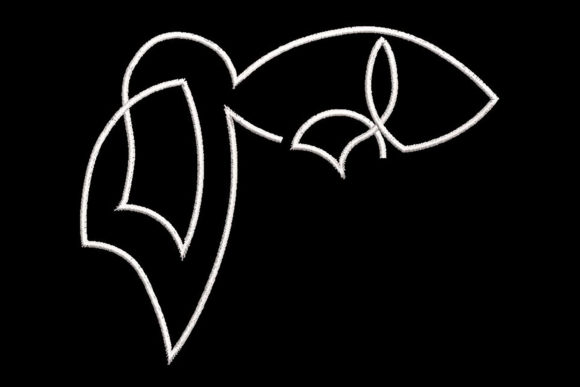
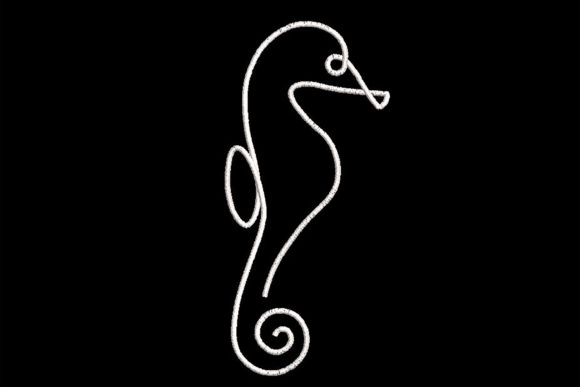
As an embroidery designer preparing for a busy weekend at the local artisan market, I am constantly evaluating which machine embroidery design files will translate best from digital asset to physical craft fair product. My booth strategy relies on items that catch the eye immediately but also convey a sense of modern elegance. Today, I am reviewing the Minimalistic One Line Seahorse, a continuous single-line design intended for a 4″ x 4″ hoop. This piece promises a delicate, fresh look, and I need to determine if it holds up under the scrutiny of handmade shop owners and discerning customers.
First Impressions and Aesthetic Appeal
When loading the digital embroidery file into my software, the first thing that strikes me is the simplicity. In a market saturated with dense, colorful, and complex patterns, this Fish themed design offers a breath of fresh air. It feels undeniably modern and minimal. The continuous line technique creates a fluid motion that suggests movement without clutter. For a boutique maker looking to establish a cohesive brand identity, this design screams "premium" rather than "novelty." It avoids the cartoonish trap that many sea creature designs fall into, opting instead for an artistic, sketch-like quality. This makes it versatile enough for a coastal-themed collection or a general lifestyle brand focusing on clean lines and negative space.
Product Application and Market Viability
The true test of any embroidery file is how it performs on actual goods. I have laid out my potential inventory for the upcoming fair, and the Minimalistic One Line Seahorse shines in specific areas.
- Tote Bags and Market Bags: This is likely the strongest contender for this design. A large canvas tote with a single-line seahorse centered in a contrasting thread color looks incredibly chic. It appeals to the eco-conscious shopper who wants style without loud graphics.
- Tea Towels and Aprons: For kitchen linens, the "fresh look" described in the product details is perfect. On a waffle-weave or linen blend, the simple stitches allow the fabric texture to show through, enhancing the handmade feel. It works beautifully as an apron embroidery accent on the bib or pocket.
- Patches and Pouches: Because the design is contained within a 4″ x 4″ area, it is ideal for small fabric pouches or iron-on patches. These make excellent low-cost add-on items at a booth.
- Caps: While possible, curved surfaces require careful hooping. The simplicity helps here, as there are no large fill areas to cause puckering on the front panel of a cap.
For an Etsy seller creating printable mockups, this design is a goldmine. Its clean lines photograph exceptionally well against neutral backgrounds, making it easy to create compelling social media content and listing images that drive clicks.
Production Practicality for Small Shops
From a production standpoint, time is money. As a small shop product creator, I need designs that are repeatable for batch production. The Minimalistic One Line Seahorse appears to have low stitch density, which is a significant advantage. Low density means faster run times and less thread consumption. It also reduces the risk of fabric distortion, which is crucial when producing multiple units of a finished product in a single sitting.
Furthermore, the design's clarity at a glance is high. Customers walking past a booth often make split-second decisions. A bold, recognizable shape like a seahorse, rendered in a single unbroken line, communicates the subject matter instantly without requiring the customer to stop and decipher complex details. This visual immediacy can significantly boost buyer engagement.
Critical Considerations and Careful Use
However, simplicity can sometimes be deceptive. There are practical challenges to consider before committing to a large run. Since this is a continuous line design, any break in the thread or tension issue will be immediately visible. There are no dense fill areas to hide minor imperfections.
When working with thick fabric or highly textured towels, the single line might get lost if the thread weight is too fine. I recommend testing different thread colors to ensure sufficient contrast. On dark fabrics, a light metallic or bright cotton thread could make the design pop, whereas a tonal thread might render it invisible from a distance. Additionally, while the 4″ x 4″ hoop size is standard, one must be cautious about scaling. If you attempt to shrink this design for a tiny pocket logo, the continuous line may become too thin to stitch cleanly or may lose its definition entirely.
Designer Notes for Best Results
To ensure the highest quality for your commercial embroidery projects, I advise following these steps before selling:
- Test on Scrap Fabric: Always stitch out the design on the exact material you intend to sell. What looks good on cotton muslin might behave differently on canvas or Terry cloth.
- Check Stabilizer: Even with low density, the right stabilizer is essential to prevent shifting, especially on stretchy fabrics like tote bag handles or caps.
- Review Spacing: Inspect the digital preview for any areas where the line crosses over itself too closely, which could cause thread buildup.
- Verify Licensing: Before listing items on Etsy or at a fair, confirm the commercial licensing terms of the design assets. Ensure you are permitted to sell finished goods made with this file.
- Create a Real Mockup: Do not rely solely on digital simulations. Hang a real embroidered sample in your booth to show customers the tactile quality of the work.
In conclusion, the Minimalistic One Line Seahorse is a strategic addition to any embroidery business focused on modern, coastal, or minimalist aesthetics. Its strength lies in its versatility and ease of production, making it a reliable choice for handmade product lines ranging from home decor to wearable accessories. By paying attention to fabric choice and thread contrast, this design can elevate a standard craft fair table into a curated boutique display.