Baby Boy Sleeping on the Moon: A Designer's Review
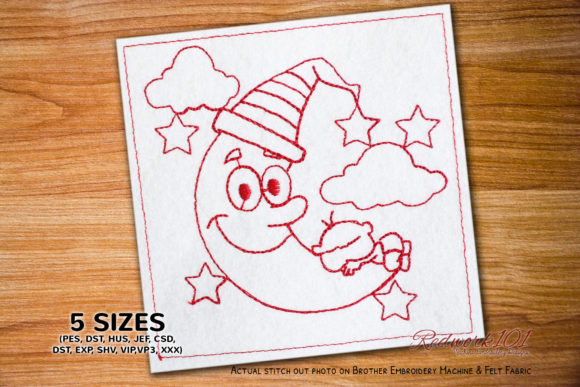
As an embroidery designer who has spent countless weekends setting up booth displays at local craft fairs and handmade markets, I know that the difference between a design that sits idle and one that flies off the table often comes down to immediate visual impact and practical application. Recently, I pulled the Baby Boy Sleeping on the Moon machine embroidery design from my library to evaluate its potential for an upcoming seasonal market. This piece features a serene little baby sleeping on a crescent moon, accompanied by clouds and stars in the background. With the optional box stitch noted in the preview, this design offers versatility that demands a closer look for anyone running a small shop product line.
First Impressions and Market Appeal
The first thing that strikes me about Baby Boy Sleeping on the Moon is its inherent softness and whimsical charm. In a sea of bold, modern typography and rustic farmhouse motifs, this design carves out a niche in the "nursery dream" aesthetic. It feels gentle, decorative, and perfectly suited for the Babies category. When I imagine this stitched out on a display table, it does not scream for attention with neon brightness; rather, it invites the customer to lean in. That subtle pull is crucial for handmade product sellers who rely on emotional connections to drive sales. The imagery of a sleeping child against a celestial backdrop taps into universal feelings of peace and love, making it an instant contender for gift-givers looking for something special.
Ideal Products for Craft Fair Booths
When planning my inventory for a weekend craft fair, I have to consider where a specific embroidery file will perform best. For Baby Boy Sleeping on the Moon, the applications are diverse but require strategic selection to maximize profit and visual appeal.
- Tote Bags and Market Bags: This is likely the strongest performer. A natural canvas tote with this design centered creates an instant heirloom-quality item. The contrast of the thread against unbleached cotton highlights the details of the moon and stars beautifully.
- Pillow Covers: Nursery decor is a huge seller. Stitching this onto a soft minky or high-thread-count cotton pillow cover transforms a simple square of fabric into a premium finished product. The horizontal layout of the moon fits standard lumbar or square pillows perfectly.
- Tea Towels and Aprons: While cute, these might be secondary sellers. Tea towel embroidery requires careful attention to fabric texture, as loops can sometimes obscure fine details. However, as a gift set paired with other items, they add perceived value.
- Embroidered Patches: If the design allows for a tight satin border, creating iron-on patches is a fantastic way to sell this as a digital embroidery file alternative for customers who want to apply it themselves later.
- Caps: This is tricky. The curved surface of a cap can distort the wide span of the moon. Unless the design is simplified or resized significantly, I would avoid caps for this specific motif to prevent puckering or loss of clarity.
Production Practicality and Batch Manufacturing
For the busy Etsy seller or commercial embroidery business owner, time is money. The question is: is Baby Boy Sleeping on the Moon repeatable? From a production standpoint, the design appears to have distinct color blocks which aids in quick thread changes. However, the description notes an optional box stitch. In a high-volume craft fair scenario, I would likely skip the outer box unless the customer specifically requests a framed look. Removing unnecessary stitches reduces production time and minimizes the risk of thread breaks, allowing me to batch produce more units before the market opens.
Photography is another critical factor. This design photographs exceptionally well for online listings. The contrast between the dark night sky elements (if using navy or black threads) and the bright moon creates a dynamic printable mockup that stops the scroll on social media. For digital sellers offering this as a design asset, providing high-quality mockups on nursery wall art or baby blankets will be essential to show scale and context.
Technical Considerations and Careful Use
No design is without its challenges, and a professional review must address potential pitfalls. Before committing to a full run of products, there are several technical aspects to verify regarding Baby Boy Sleeping on the Moon.
- Stitch Density and Fabric Texture: The clouds and the baby's features may involve dense stitch areas. On thick fabrics like terry cloth towels or heavy denim, this density could cause stiffness. It is vital to test the design on scrap fabric similar to your final product to ensure the hand-feel remains soft, especially for baby items.
- Thread Contrast: The success of this design relies heavily on thread colors. If the moon and the background clouds are too similar in shade, the definition will be lost. I recommend using a high-contrast palette, perhaps a creamy white for the moon against a soft blue or grey sky, to ensure the silhouette pops.
- Small Details: The stars and the baby's facial features are small. If you plan to resize this design for smaller items like pouches or socks, be warned that tiny details may merge or disappear. Always check the minimum recommended size provided with the embroidery file.
- Stabilizer Selection: Because this design likely covers a moderate area, using the correct stabilizer is non-negotiable. A cut-away stabilizer is usually best for knits and stretchy fabrics to prevent distortion over time, while tear-away might suffice for stable wovens like tote bags.
- Hoop Size: Ensure your machine's hoop size accommodates the width of the moon. Trying to force a large design into a small hoop by splitting it can ruin the continuity of the image.
Maximizing Value and Brand Consistency
Incorporating Baby Boy Sleeping on the Moon into your product line can significantly boost your booth display strength. It adds a layer of emotional storytelling to your brand. When a customer sees a cohesive collection of nursery items featuring this motif, it signals professionalism and thoughtful curation. It moves your offerings from random handmade goods to a curated boutique experience.
However, a crucial reminder for all creative entrepreneurs: always confirm commercial licensing terms before selling finished products. The description mentions that the box color varies and implies options, but it does not explicitly state the license type. Do not assume a design is free for commercial use just because you purchased the file. Check the documentation included with the digital embroidery file to ensure you are compliant, especially if you are an Etsy seller planning to sell hundreds of units.
Ultimately, Baby Boy Sleeping on the Moon is a strong candidate for the handmade market. Its blend of cute aesthetics and versatile application makes it a reliable choice for tote bag designs, nursery decor, and gifted apparel. By paying attention to stitch density, choosing the right fabric texture, and presenting it with high-quality mockups, this design can become a staple in your inventory, driving buyer engagement and adding a touch of magic to your craft fair booth.